
Slider with alias Inner not found. There is nothing to show here!

Category: Parents Zone

Tokens of love relieve separation anxiety

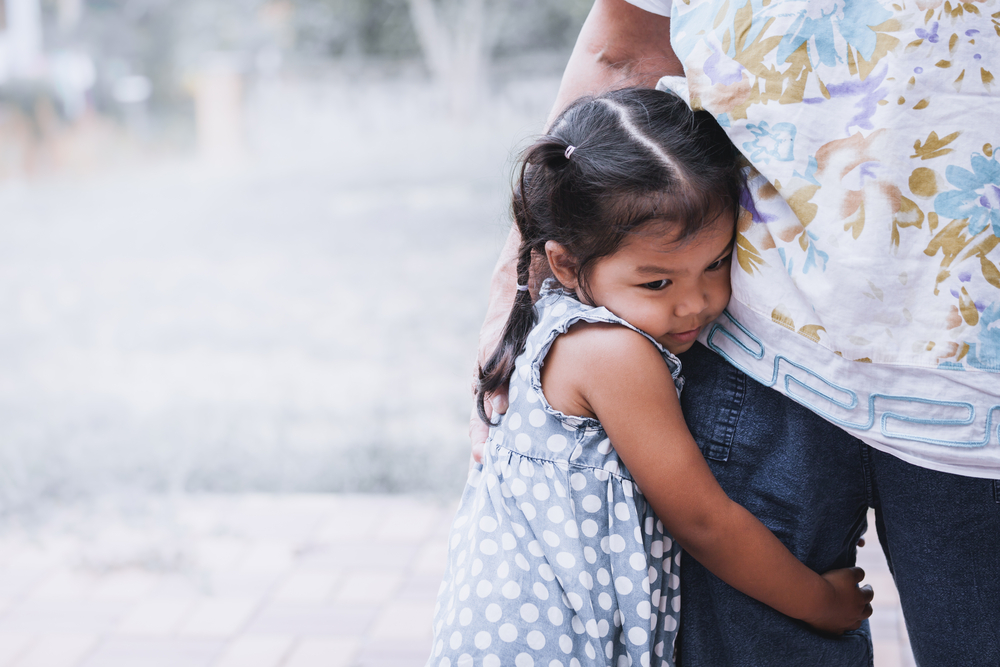
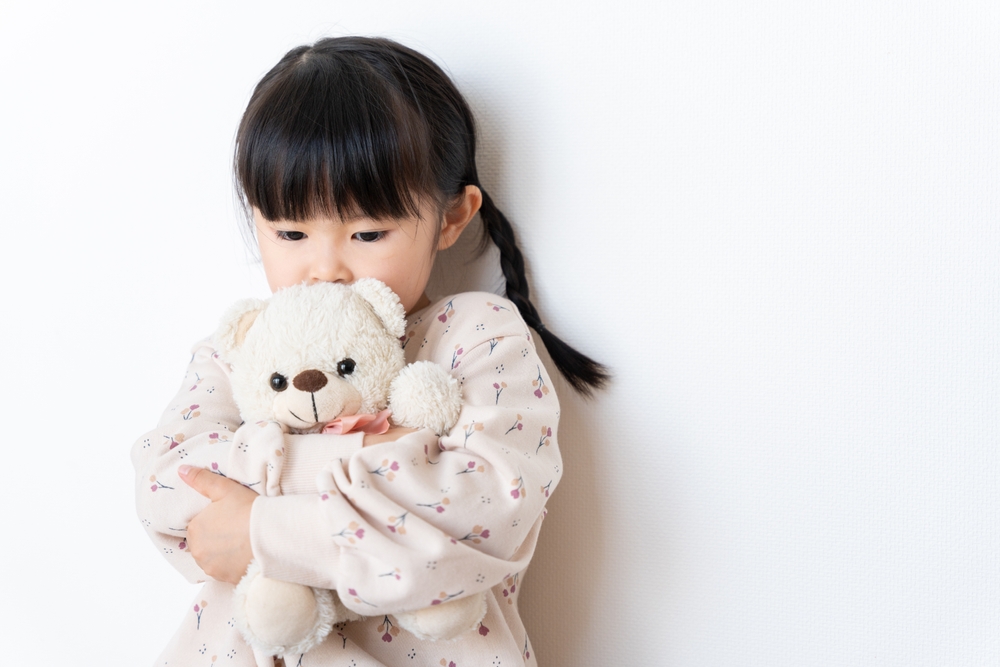
Written by: Fung Ji Hei, Game Therapist Little Ying, at the start of the new school year, would sit on the sofa outside the school hall every day, crying and saying her stomach hurt, while tightly gripping her mother’s hand. Psychological experts believe this is a characteristic of children suffering from separation anxiety. If parents want to reduce their children’s anxiety, one method is to help the children through “tokens”. Why can these “tokens” be effective? The author attempts to explain the underlying mechanism from the perspective of child psychological development. The Invisible Sense of Security The cognitive development theory proposed by the modern child psychologist Jean Piaget can explain the underlying principle. In the first stage (0-2 years old) of the theory, children can learn to search for hidden objects. This behavior indicates that children have learned the concept of object permanence – even if the object cannot be seen, they still know that it exists, so they will try to find it. In the second stage (2-7 years old), Piaget believes that children can use language and symbols as representations. For example, children can use the word “dog” to represent an animal with four legs, a tail, and a “woof woof” sound. When children go to school, they experience a similar situation to the first stage, but they do not cry because they cannot see their mothers, but because they cannot generate the sense of security that they had when with their mothers. To overcome this, children need

閱讀更多 »

The issue of “Biliteracy and Trilingualism”

  Written by: Ms. Chan-Chen Shu-an, Early Childhood Education Specialist Children are young and innocent, lacking the ability to discern right from wrong or make sound judgments. They are entirely at the mercy of adults, immersed in the family, school, and social environments that are cultivated by elders. The author often feels that children are the most innocent, and therefore, the responsibility of educating the next generation is truly inescapable. Firstly, the author does not oppose learning foreign languages, as she firmly believes that knowing an additional language is akin to having an extra key for communication, academic pursuits, and knowledge expansion. Furthermore, the author strongly agrees that the earlier one learns a language, the better, especially when it comes to language pronunciation, as it becomes increasingly difficult to master as one grows older. What is “Biliteracy and Trilingualism”? The “Biliteracy and Trilingualism” provided by the Hong Kong Education Department is Chinese, English; Cantonese (mother tongue), English and Mandarin (Putonghua). Objectives of Kindergarten Education Early childhood education is the foundation of education for human beings. When a baby is born, the first person they interact with is their mother, and the mother is also the first teacher. Therefore, the language used for communication is the mother tongue, which is the language used by the mother and the common language in the family and society. Consequently, the primary objectives of kindergarten education in all countries, for children under the age of 6, are focused on the healthy development of the child’s

閱讀更多 »

Whose trash is it? The cultivation of children’s character must be achieved through home-school cooperation to be successful

Written by: Mr. Cheung Wai Ching, Principal There are two scenes in front of us: Scene One: On a bustling street, a little boy walking with his parents notices a discarded soda can at his feet. He picks up the can, intending to throw it into a nearby trash bin. However, his mother sees this and demands that he throw the can away, but the boy refuses. Then, his father comes over and scolds him, “Idiot, how can you pick up such dirty things? You’re not a street cleaner!” The little boy responds, “The teacher said we should protect the environment and not litter!” The mother says, “You didn’t throw it, so why bother?” The little boy looks confused but has no choice but to throw the trash back on the ground. Scene Two: On a crowded train station platform, a young mother is with a boy about 5 or 6 years old. After finishing his juice, the boy casually throws the empty box under the seat. The mother quickly picks up the empty box, hands it to her son, and says, “Good boy, throw the empty box into the trash bin in front.” A moment later, the mother and son hug each other affectionately, and the mother softly says to her son, “We must protect the environment and not litter!” Isn’t the boy in Scene One quite pitiful? He must be confused by the different educational methods of his parents and teacher. School education, besides teaching children textbook knowledge,

閱讀更多 »

Obsession: Separation Anxiety

Written by: Hong Kong Registered Psychologist, Ching Wai Keung Around nine months of age, babies become unusually clingy. Even if the mother goes to the bathroom, the baby may appear extremely anxious, clinging tightly to the mother and even crying loudly. Separation anxiety can lead to two different types of reactions. In some cases, when separated from the caregiver, the baby will exhibit attachment-seeking behaviors, such as clinging to the mother, trying every possible way to find the mother, or crawling wherever the mother goes (Ainsworth, Bell, & Stayton, 1971). Separation can also result in behaviors such as despair, resistance, and detachment, depending on the duration of the separation (Bowlby, 1960; Robertson & Robertson, 1989). A child’s reaction to separation can also change depending on the environment. For example, in a familiar home environment, the child will exhibit less anxiety compared to being in an unfamiliar environment (Ross, Kagan, Zelazo, & Kotelchuck, 1975). Around seven months of age, the concept of object permanence begins to emerge in children. They understand that even if they cannot see someone or something, it does not mean that the person or object has disappeared. When children are able to establish this concept, their separation anxiety will relatively decrease. If the mother can frequently communicate with the child, express positive emotions and feelings towards the infant, and provide appropriate stimulation and assistance, the child will more easily grasp and apply the concept of object permanence to both objects and people (Chazan, 1981). Helping children cope

閱讀更多 »

Stranger anxiety: Anxiety towards strangers

Written by:  Hong Kong registered psychologist, Ching Wai Keung       When discussing the formation of attachment, it is not difficult to observe that children, from infancy (approximately from birth to two years old), already exhibit feelings of anxiety, including stranger anxiety and separation anxiety. These anxieties typically begin to appear between six months and one year of age. This time, we will focus on discussing stranger anxiety.   Simply put, stranger anxiety is what parents often refer to as fear of strangers, and the behaviors derived from it are what we commonly call “recognizing people.” The intensity of fear of strangers can vary; mild cases may only show reluctance to be held by strangers or avoidance of strangers’ gazes, while severe cases can involve extreme discomfort or even crying loudly just from a stranger’s glance.   Firstly, I must explain that under normal circumstances, fear of strangers should be seen as a positive developmental signal, indicating that the child is capable of distinguishing between caregivers and others. Parents should not be overly concerned.   Secondly, an infant’s reaction to strangers often changes depending on the external environment, including the current objective environment, the stranger’s actions towards the infant, the distance between the infant and their primary caregiver, and the caregiver’s reaction to the stranger (Keltenbach, Weinraub, & Fullard, 1980). For example, if the primary caregiver interacts with the stranger in a positive manner, using friendly speech and tone, the child’s response is likely to be more positive as well (Feinman

閱讀更多 »

Why are children always distracted while eating?

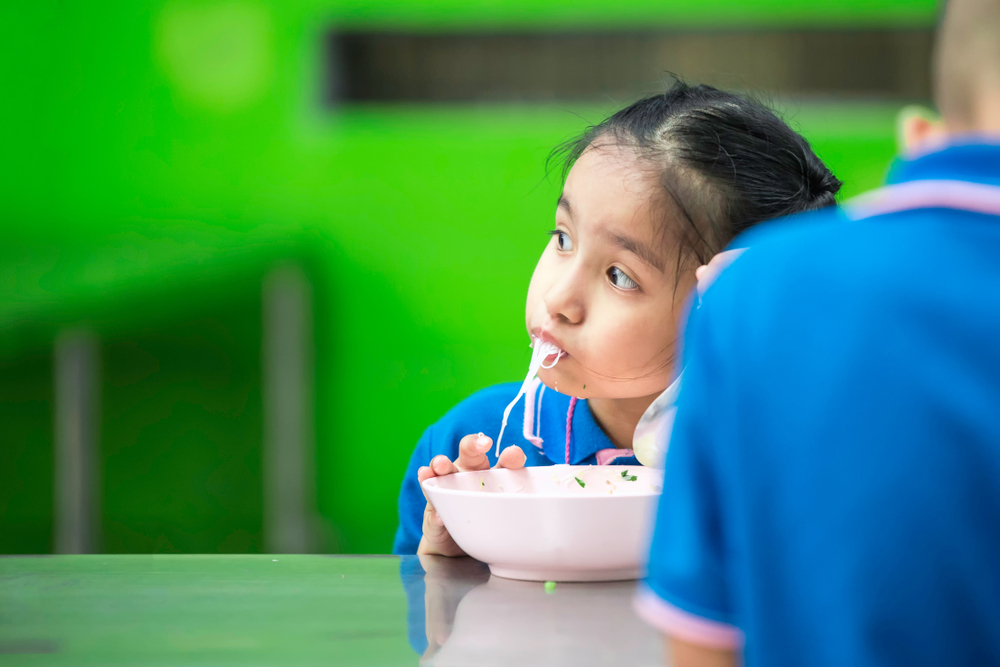
  Written by: Heep Hong Society Educational Psychologist Team   Many children aged 4 to 5 tend to look around and fidget during meals because they are not yet adept at using utensils. Additionally, their short attention spans, still-developing sense of time, curiosity about their surroundings, or even a desire to avoid eating may contribute to their lack of focus.   Short Attention Spans Children aged 4 to 5 generally need longer meal times than adults. This is partly because they are not yet familiar with using utensils, which can lead to clumsiness, and partly because their chewing and digestive abilities are still developing, necessitating longer meal times. Furthermore, due to their short attention spans, low self-control, and lack of time awareness, they are easily distracted by their environment. When they become engrossed in something interesting, they may even forget about their meal in front of them, often requiring repeated reminders from parents to continue eating, which prolongs mealtime.   Parents dealing with children who have short attention spans can try to create a consistent, quiet, familiar, and simply arranged dining environment. They can set a reasonable time limit for meals and remind the children periodically of the time limit to ensure they finish their meals within that timeframe.   Curiosity About the Surroundings Additionally, some children are naturally “observational” learners with strong curiosity, often learning new things by observing through their eyes. Even during meals, they might look around, continuing to learn. Although this behavior might seem like they

閱讀更多 »

Parental education, willing to learn and dare to do

Written by: Dr. Chi-Yuen TIK, Chief Executive, The Hong Kong Institute of Family Education In the journey of parental education, I love to listen to parents share their experiences and reflections on disciplining their children. Exchanging and encouraging each other is the most comprehensive content of parenting education. There is no place in the world that requires parents to pass an exam before they can have children. Everyone is learning as they go, realizing things later on, and gradually becoming “experienced” parents. Children have expectations of you, society has demands on you, and parents themselves cannot afford to be lazy, so they actively learn theories and techniques for disciplining their children. I remember a father sharing how he dealt with his son’s request to buy sneakers when the son was in the eighth grade. He told his son he would give him four hundred dollars. Naturally, the son felt it was not enough, but the father told him that four hundred dollars could buy a pair of sneakers, and if it wasn’t enough, the son would have to figure it out himself. In the end, the son bought the sneakers he wanted, but the price was saving his breakfast and lunch money to make the purchase. He said although his son was happy with the new sneakers, he also experienced days of hunger, and in the future, he would think carefully before making a purchase. The father expressed that it was tough for him to see his son go through

閱讀更多 »

Hot-tempered parents

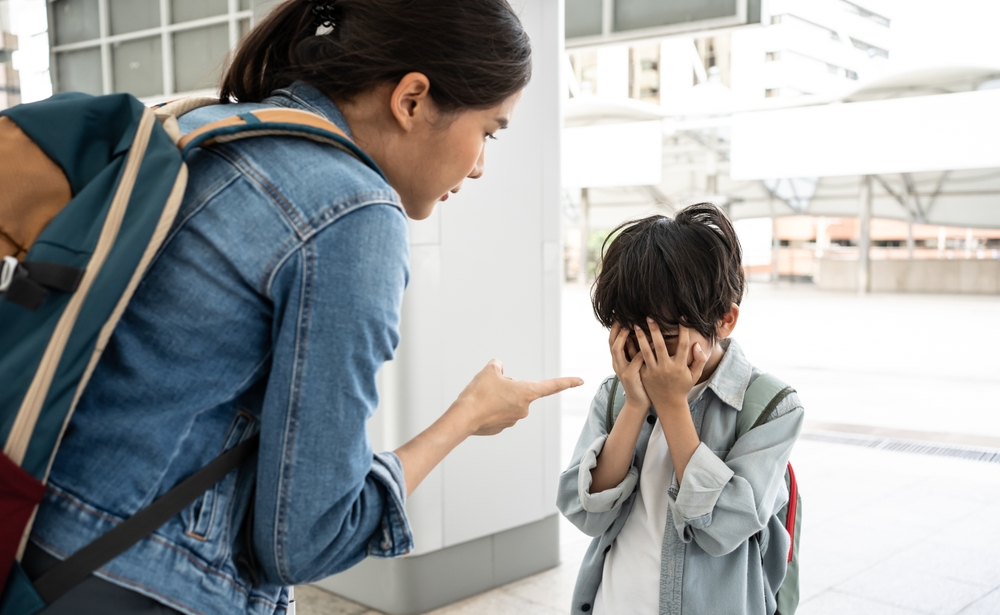
Written by : Marriage and Family Therapist Rachel Ng Children easily become timid, reticent, and lack confidence when dealing with hot-tempered parents. However, some children may learn to solve problems in an aggressive manner, mimicking their parents. Obviously, both patterns are detrimental to a child’s personality development! Can parents improve their hot-tempered nature? Personality tendencies and life stress It’s undeniable that a part of one’s temperament is innate, which we cannot overlook. Just like children have different traits, some parents are naturally more sensitive, react quickly, and have lower adaptability. These types of parents, when entering the stage of raising children, often coincide with a critical period in their career development. Due to their low adaptability, they easily become anxious due to changes in the environment, work demands, and their own career advancement, requiring a lot of time and energy to cope. At home, the various temperaments of children and their growing needs already pose many challenges to parents. Therefore, parents who are impatient and have low adaptability can easily lose their temper, using it as a way to vent their unease and attempt to control the situation, hoping to restore order and reduce their own anxiety. Trauma from the Family of Origin Some parents are not inherently impatient, but if they experienced neglect, abuse, and damage to their self-esteem and personality during their upbringing, these parents are likely to perceive their child’s disobedience, tantrums, and other challenging behaviors as personal rejections, triggering their own childhood traumas and leading to

閱讀更多 »

Are you good neighbors?

Written by : Registered Educational Psychologist, Pang Chi Wah Many parents lament that in the past, interactions with neighbors were more frequent. Perhaps there were fewer places to live, but there were larger communal spaces, allowing for daily interactions with neighbors. Parents used to entrust their children to neighbors, and could borrow necessities from them when in need, resulting in very happy relationships! However, in the modern living environment, there may be many people living in the same building, but the likelihood of interacting with each other is much less than before. People no longer share food or take care of each other’s children. Perhaps everyone is busy with work, spending all their energy during the day, and they have no time to develop deep relationships with neighbors after work or on holidays. Nowadays, many couples without children can live this way, but once small families have children, parents need to deliberately increase the frequency and form of interactions with neighbors. In fact, more and more families are finding that their children are becoming self-centered and disrespectful to others. It turns out that only children can become subjective and fragile because they rarely experience social pressures or conflicts during their growth, and they tend to avoid social interactions. Over time, their social desires and skills may not reach the standard expected for their age. Some parents may want their child to have a sibling and consider having another child, but they must also consider the financial and emotional impact on

閱讀更多 »

Motivating children to study hard without relying on rewards and punishments

Written by: Founder and Volunteer Secretary-General of GLP, Lam Ho Pei Yee Everyone already possesses an intrinsic motivation, and people have long had the desire to do things well. This is precisely why when we give children external rewards and punishments, trying to interfere with their behavior, their performance becomes worse, such as killing creativity, reducing judgment, and other negative effects, which are the bad consequences that rewards can bring. Whether it is material or psychological rewards, although they can temporarily stimulate children’s enthusiasm, they cannot help children develop long-term behavioral habits, nor can they make their performance better. How can parents motivate children to study hard without solely relying on rewards and punishments? It turns out that by simply understanding and satisfying three basic psychological needs of humans, children can automatically and consciously enjoy and engage in learning. These three basic psychological needs include autonomy, competence, and relatedness. Every child also has a basic need to develop their abilities, to see their abilities improve, and not to let incomprehensible social standards change their children. It is dangerous to teach children things that do not fit their stage of growth. We need to create challenging yet appropriate learning experiences for children’s abilities, allowing them to feel a real sense of success, boosting their confidence in their abilities, and giving them more motivation to learn. Parents should not limit their children’s infinite possibilities with their own limited wisdom. If parents understand how to cultivate their children’s intrinsic motivation for learning, making

閱讀更多 »