

Slider with alias Inner not found. There is nothing to show here!

Author: admin

Are you good neighbors?

Written by : Registered Educational Psychologist, Pang Chi Wah Many parents lament that in the past, interactions with neighbors were more frequent. Perhaps there were fewer places to live, but there were larger communal spaces, allowing for daily interactions with neighbors. Parents used to entrust their children to neighbors, and could borrow necessities from them when in need, resulting in very happy relationships! However, in the modern living environment, there may be many people living in the same building, but the likelihood of interacting with each other is much less than before. People no longer share food or take care of each other’s children. Perhaps everyone is busy with work, spending all their energy during the day, and they have no time to develop deep relationships with neighbors after work or on holidays. Nowadays, many couples without children can live this way, but once small families have children, parents need to deliberately increase the frequency and form of interactions with neighbors. In fact, more and more families are finding that their children are becoming self-centered and disrespectful to others. It turns out that only children can become subjective and fragile because they rarely experience social pressures or conflicts during their growth, and they tend to avoid social interactions. Over time, their social desires and skills may not reach the standard expected for their age. Some parents may want their child to have a sibling and consider having another child, but they must also consider the financial and emotional impact on
閱讀更多 »

Motivating children to study hard without relying on rewards and punishments

Written by: Founder and Volunteer Secretary-General of GLP, Lam Ho Pei Yee Everyone already possesses an intrinsic motivation, and people have long had the desire to do things well. This is precisely why when we give children external rewards and punishments, trying to interfere with their behavior, their performance becomes worse, such as killing creativity, reducing judgment, and other negative effects, which are the bad consequences that rewards can bring. Whether it is material or psychological rewards, although they can temporarily stimulate children’s enthusiasm, they cannot help children develop long-term behavioral habits, nor can they make their performance better. How can parents motivate children to study hard without solely relying on rewards and punishments? It turns out that by simply understanding and satisfying three basic psychological needs of humans, children can automatically and consciously enjoy and engage in learning. These three basic psychological needs include autonomy, competence, and relatedness. Every child also has a basic need to develop their abilities, to see their abilities improve, and not to let incomprehensible social standards change their children. It is dangerous to teach children things that do not fit their stage of growth. We need to create challenging yet appropriate learning experiences for children’s abilities, allowing them to feel a real sense of success, boosting their confidence in their abilities, and giving them more motivation to learn. Parents should not limit their children’s infinite possibilities with their own limited wisdom. If parents understand how to cultivate their children’s intrinsic motivation for learning, making

閱讀更多 »

Besides good grades and getting into a good school, what else do children need?

Written by: Ms. Carmen Leung, Director of Curriculum Development, Steps Education Many parents ask what holistic education is. From the perspective of the wisdom of the Chinese people that has been passed down for thousands of years, it is the cultivation of a child’s “morality, intelligence, physical fitness, social skills, and aesthetics”; from the perspective of psychologists, it is the cultivation of a child’s multiple intelligences; from the perspective of education, it is not only the pursuit of knowledge, but also the cultivation of a child’s values, attitudes, artistic and cultural accomplishments, interpersonal skills, problem-solving, and thinking abilities. To put it more simply, from the perspective of ordinary people, holistic education is about making sure the child is well-rounded, with good grades, many friends, positive thoughts, and capable in music, sports, and art. Do you want your child to achieve holistic development? Multiple intelligences are divided into seven categories, with innate and acquired factors each playing a role. Today, let’s introduce the commonly mentioned multiple intelligences from the perspective of psychology. The “Theory of Multiple Intelligences” was proposed by Professor Howard Gardner of Harvard University in 1983. He found that intelligence can be divided into at least seven types, which are linguistic intelligence, logical-mathematical intelligence, spatial-visual intelligence, musical intelligence, bodily-kinesthetic intelligence, interpersonal intelligence, and intrapersonal intelligence. When it comes to “intelligence,” parents might think of genius or innate talent. Is intelligence innate, or is it nurtured? In fact, a person’s intelligence is partly innate and partly nurtured. Every child’s innate

閱讀更多 »

A story that enlightens ‘monster parents’ in 5 minutes’

Written by: Mr. Chiu Wing Tak, a senior education expert and honorary advisor to the Association of Careers Masters and Guidance Masters If you ask me, in the decades of teaching experience, what are the most unforgettable moments, I would unhesitatingly answer the stories that enlighten people. Why am I so attracted to enlightening moments? Because enlightenment is a form of “higher-level education,” and as someone who deeply loves education, these moments are particularly memorable. Below is a story of how I enlightened a “monster parent.” Why did this parent become a monster? Because he “pulled out all the stops” to make his son win awards! And I “woke him up” in just 5 minutes! The “monster parent” was a professional who had very high expectations for his son, demanding that his son win the Best All-Round Student award at school every year. His son had been attending the school where I taught and had already won the all-round award for his grade level for two consecutive years. In the third year, he and his son continued to work hard, hoping to achieve a “hat trick” by winning for three consecutive years! The student and his father were well aware of the areas the school emphasized, so they focused all their efforts on those key areas. However, that year, an unexpected change occurred when the school increased the weighting of certain subjects’ scores. As a result of this change, the student ended up in second place. Upon learning that he

閱讀更多 »

Organic food = nutritious?

Written by: Registered Dietitian (Public Health) (UK) Phoebe Wu Many families choose to consume organic foods such as fruits, vegetables, and eggs. When asked why they choose organic foods, most people respond: “Because organic food is safer and more nutritious.” In this issue, I will teach what organic farming is. What is organic farming? Organic farming refers to agricultural activities conducted using agricultural, biological, or mechanical methods instead of synthetic substances made by humans. It does not use chemical fertilizers, pesticides, or genetically modified crops, but rather utilizes local natural resources and adheres to the natural ecological order. The scope of consideration is very broad, for example: there must be a buffer zone of at least 2 meters between the organic production area of a farm and the non-organic areas to prevent contamination of the crops. Crop and variety selection and diversity Seeds or vegetative propagating organs used for organic cultivation must be organically certified. Farms must implement crop rotation and intercropping and should diversify as much as possible to avoid monoculture. Nutrient Management Fertilization must be done in appropriate amounts to prevent nutrient excess and environmental pollution. The fertilizers used on the farm should be harmless to the ecological environment in terms of their source, quality, application rate, and method of application. Fallowing should be practiced to allow the land to recover its fertility. The use of chemically synthesized fertilizers, human excreta, sewage sludge, and chemical waste is prohibited. Management of diseases, pests, and weeds, as well as crop

閱讀更多 »

Autism is no longer a secret

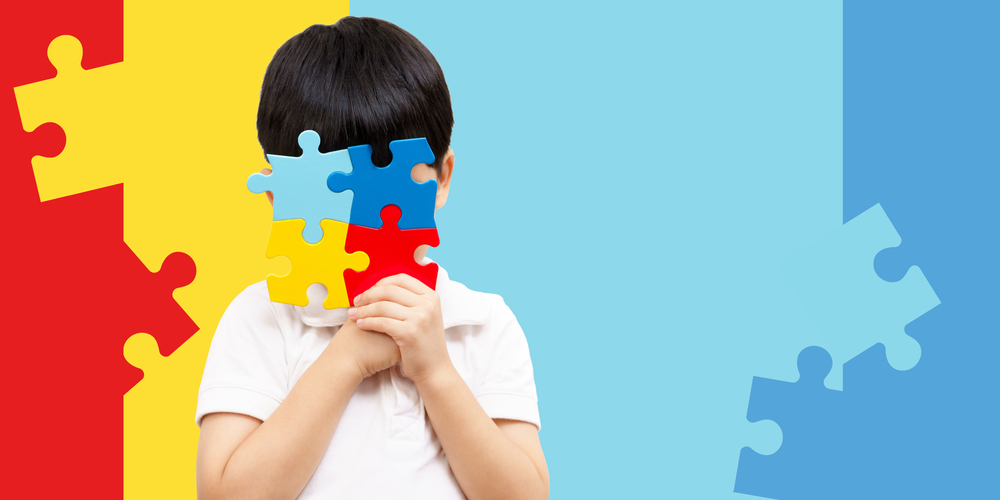
Written by: The Educational Psychologist Team of the Heep Hong Society For parents, explaining their child’s autism to others can feel like reopening a wound. They fear not only the lack of support from friends and family, but also the potential for misunderstanding or discrimination. So, how should parents approach this with their relatives and friends? Understanding the causes of autism is crucial. When explaining to friends and family, parents must first clarify that the cause of autism is not related to parental neglect or overindulgence. Autism is associated with abnormal brain development, which affects the child’s communication skills, thinking and behavior patterns, as well as their ability to understand the thoughts and actions of others. Parents can list the common characteristics of most children with autism, including social difficulties, stubbornness, anxiety, communication difficulties, focus ability, varying levels of activity, atypical emotional responses, physical coordination problems, and different sensory responses. Stay Updated with the Latest Information In addition, parents can try to stay updated with the latest information on autism, such as concepts like “executive function”, “central integration”, and “theory of mind”. This can help them better understand their child’s developmental needs. When relatives and friends show interest in learning more, parents can explain these concepts in depth. The more parents understand about autism, the easier it is for relatives and friends to get to know the child. Perhaps the usual discriminatory views will gradually disappear as they understand more. The knowledge parents equip themselves with can make relatives and

閱讀更多 »

Smart learning depends on exercise

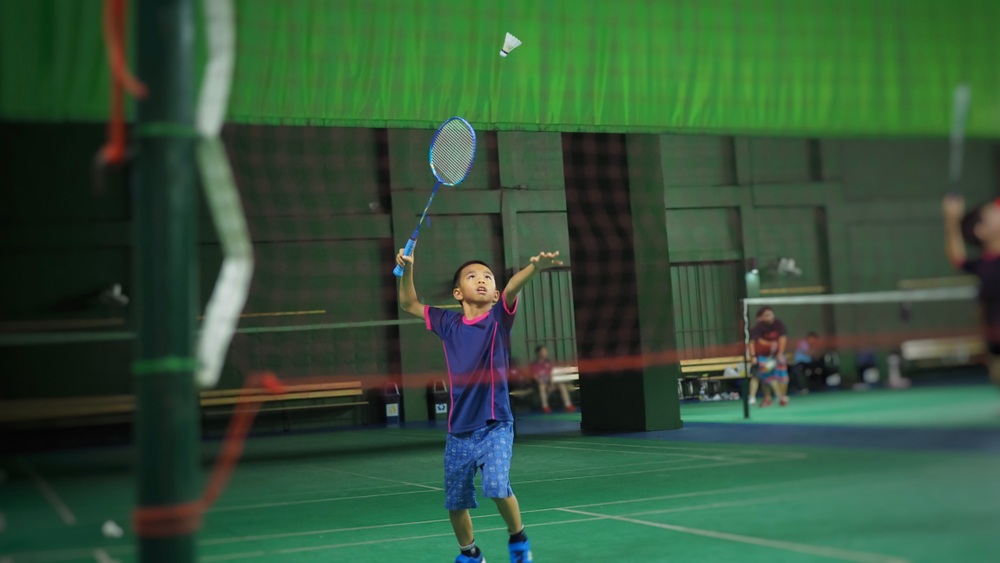
Written by: Ms. Fung Chi Hei, Game Therapist, Lok Sin Tong Leung Kau Kui Primary School I previously participated in a professional exchange activity for teachers in Taiwan and was impressed by the emphasis on using exercise to cultivate children’s growth in the Taiwanese education system. This experience provided new inspiration, which I hope to share with parents. One of the schools visited during the exchange can be described as the elementary school version of a sports academy. Upon entering the school, the students welcomed the visitors with a government-promoted fitness routine. They performed various warm-up exercises in unison, exuding a lively spirit akin to tiger cubs, making me feel like they had truly entered a forest full of tiger cubs. Exercise Strengthens Children’s Learning Abilities Principal Liu of the Tiger Forest Elementary School stated that the school is a key focus school designated by the government, with a special emphasis on students’ physical development. The school believes that exercise can strengthen students’ learning abilities. They have adopted the “Anytime Exercise” program based on the research of John J. Ratey, MD, a clinical assistant professor of psychiatry at Harvard Medical School. This program advocates for students to be engaged in exercise at all times, hence the name “Anytime.” During breaks, students would run to any part of the playground to exercise, some playing dodgeball, some climbing the monkey bars, and others playing badminton. All students enjoy every moment of exercise. The Benefits of Exercise: Strengthening Brain Function It is well

閱讀更多 »

Parent-child creative art creation

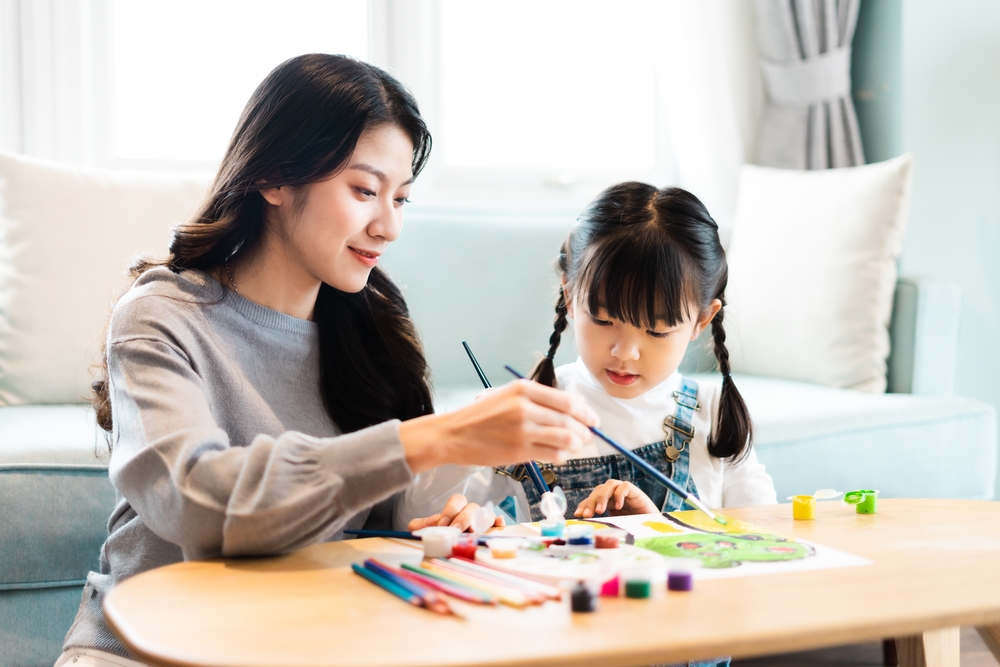
Written by: Director of Pario Arts, Lee Sou Jing Everyone has creativity and artistic potential. If properly nurtured, it can enhance one’s moral sentiments and make life more perfect. In the artistic atmosphere, diverse activities inspire individuals’ creativity, aesthetic sense, and diverse abilities, promoting holistic development. ‘Love’ is the driving force of creation. In a free, democratic, safe, and harmonious environment and atmosphere, it is the expression of ‘love,’ emphasizing mutual tolerance, acceptance of different opinions, and respect for and acceptance of others. So, how can parent-child creative art creation express ‘love’? Here, the author shares his views with all parents. The significance of parent-child creative art creation: Art education starts with individuals. Parents try to engage in artistic creation to cultivate their children’s artistic accomplishments. The first lesson of art education begins with ‘listening’ and ‘acceptance.’ Parents learn to accept the diverse ways in which children express their creativity. Through the joint participation and experience of parent-child art creation, parents can get closer to and understand their children’s hearts. Parent-child art creation helps children to understand themselves and release emotions and stress. By integrating an atmosphere of mutual appreciation and respect, it reduces parental stress and anxiety, thereby enhancing parent-child relationships. Making parent-child fall in love with creation, integrating art into life, and enhancing the quality of life. Artistic Cultivation Tips Cultivate a kind of knowledge in being human and enhance the ability to share, that is, ’empathy.’ According to the research of psychologist Hoffman on the development of

閱讀更多 »

How to handle the awkwardness when grown-up children find it awkward to have heart-to-heart talks with their parents?

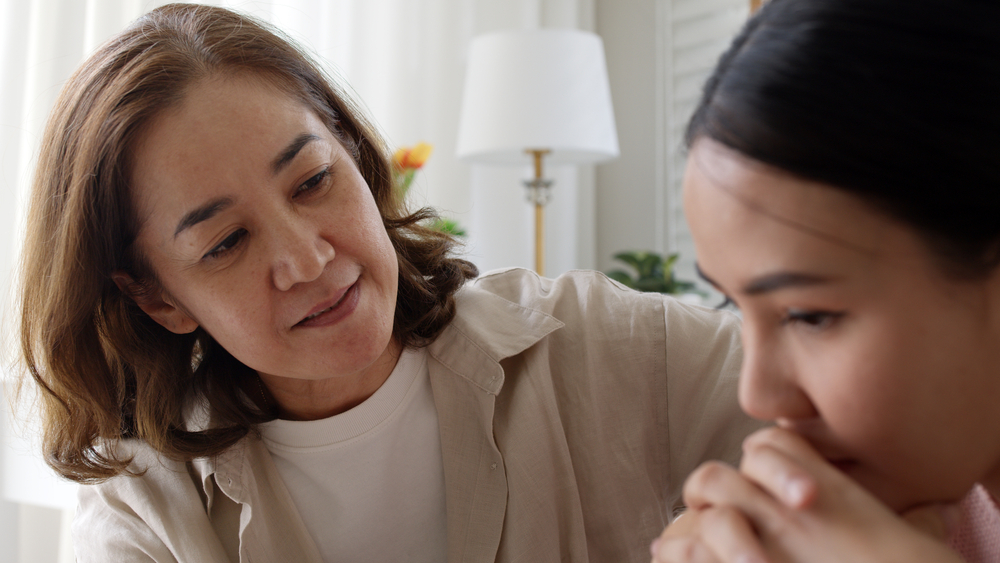
As children grow up, many parents may find that their children become increasingly resistant to having heart-to-heart talks. The children may feel awkward, or perhaps the family relationships have not been very close since childhood. Dr. Wong Chung Hin, a specialist in psychiatry, points out, “It is crucial for parents to establish a good parent-child relationship from an early age. If parents suspect emotional issues in their children, in addition to observing changes in their behavior, they can guide their children to express their thoughts and understand their inner world.” As mentioned earlier, parents and children should establish a parent-child relationship from a young age, setting aside time each day for parent-child communication and engaging in interesting family activities together. Dr. Wong emphasizes, “A close parent-child relationship helps children express themselves to their parents. Even as they grow older, they will be more willing to express themselves and have trust in their family.” However, if a child is unwilling to reveal their thoughts and parents notice changes in their behavior (refer to: https://www.parentsdaily.com.hk/expert/4073), Dr. Wong advises parents to patiently guide their children to express their inner feelings. “When children express their thoughts, parents should listen patiently and provide them with the opportunity to express themselves. Establish a daily parent-child chatting time, allowing children to have a channel to express themselves at home. Parents should remember that once children mention symptoms related to emotional issues, parents should not criticize or constantly deny their children.” Dr. Wong continues, “Everyone has their own

閱讀更多 »

Why do children engage in challenging behaviors that challenge parents?

Written by: Child Psychological Development Association Psychological Counselor, Mr. Ching Wai Keung “Is your child deliberately engaging in behavior that challenges your limits?” “Does your child’s behavior completely contradict your wishes?” “No matter how you punish your child, it seems like they become more defiant!” Do these scenarios sound familiar to you? Many times, parents worry incessantly about their child’s behavior. However, behind the child’s behavior, there may be different emotions. For example, a child might intentionally exhibit rebellious behavior due to a desire for attention or rivalry for affection. In such cases, punishing the child may result in them becoming even more disobedient. Renowned American emotion psychologist Plutchik pointed out that we have eight basic emotions (Plutchik, 1993), including acceptance, anticipation, disgust, anger, sadness, fear, joy, and surprise. These emotions manifest in an “Emotion Chain,” which includes stimuli, thoughts, emotions, behavior, and outcomes. For instance, when an older brother sees his mom taking care of his younger sister (stimulus), he may think that his mom now only loves his sister and ignores him (thoughts). This could lead to emotions like sadness and anger (emotions). As a result, he may intentionally misbehave (behavior). The outcome is that the mom puts down the sister in the crib and then deals with the older brother (outcome). In the older brother’s eyes, his mom finally put down his sister, achieving the desired outcome through his behavior. Young children may not necessarily express their thoughts through language, making it challenging for parents to understand

閱讀更多 »